The Ultimate Guide to Fall Prevention for Seniors: Room-by-Room Home Modifications That Make a Difference
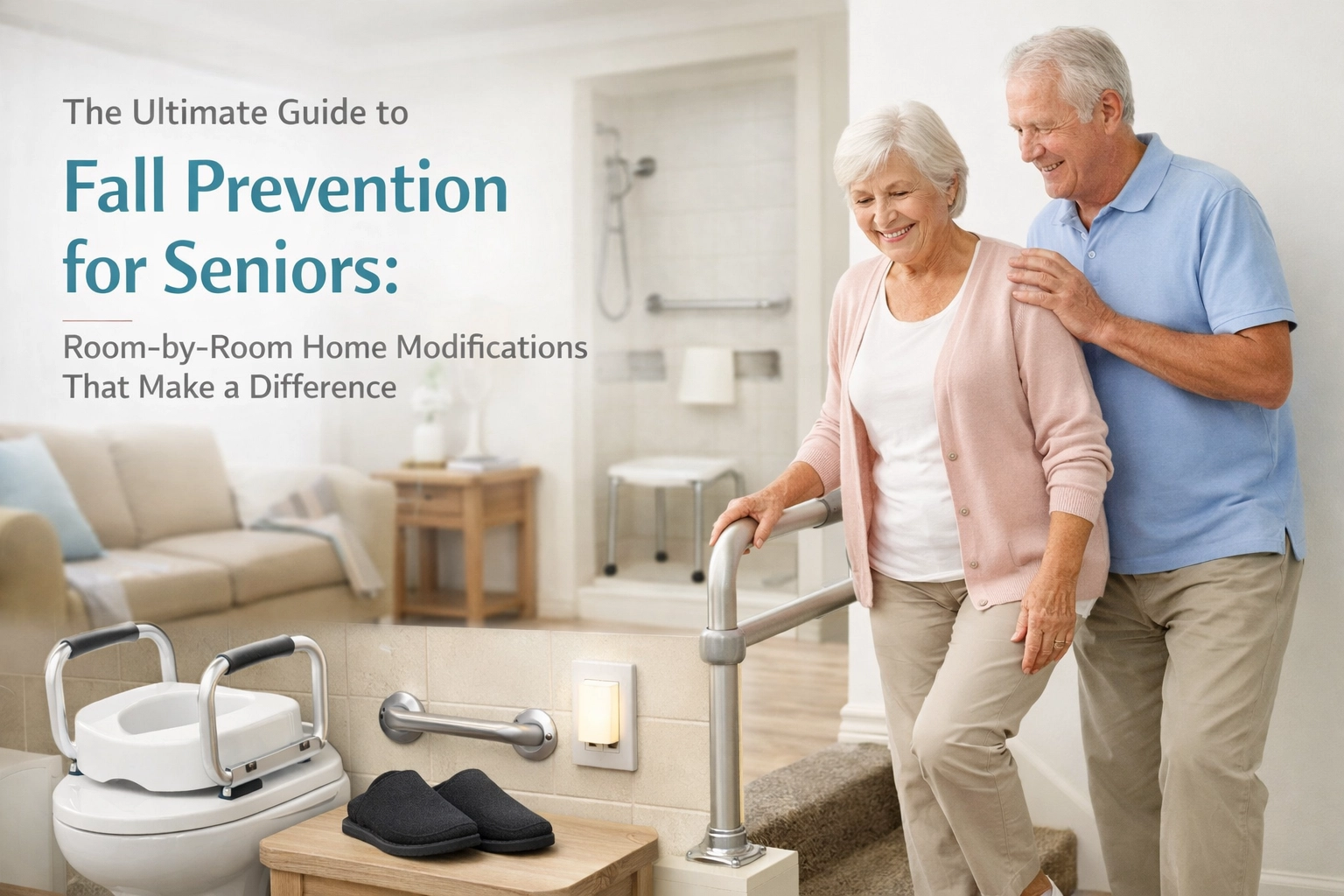
Falls represent one of the most significant health risks facing older adults. Each year, millions of seniors experience falls in their homes, and many of these incidents could be prevented through thoughtful environmental modifications. The good news is that most fall hazards in the home can be addressed through practical, often simple changes that make everyday living safer and more comfortable.
Research shows that a comprehensive approach to fall prevention: one that combines physical activity, medication review, and strategic home modifications: yields the best results. This guide walks through each room of your home to identify common fall risks and practical solutions that may help reduce those risks.
Understanding Fall Risks at Home
Before diving into specific modifications, it's helpful to understand why falls happen at home. Common contributing factors include poor lighting, slippery surfaces, tripping hazards like loose rugs or clutter, and areas that require awkward movements or reaching. As we age, changes in vision, balance, and muscle strength can make these everyday hazards more dangerous.
The goal of home modifications isn't to eliminate all risk: that would be impossible: but rather to create an environment that supports safe, independent living. Even small changes can make a meaningful difference in daily comfort and confidence.
The Bathroom: Addressing Wet Surface Hazards
Bathrooms present some of the highest fall risks in any home due to wet, slippery surfaces combined with necessary movements like stepping over tub edges and transitioning between sitting and standing.

Essential Bathroom Modifications:
Installing grab bars near toilets and showers can provide crucial stability points. These should be mounted on both the inside and outside of tubs and showers, secured directly into wall studs for maximum support. The placement matters: grab bars should be positioned where they'll actually be used during typical bathing and toilet use.
Non-slip surfaces are equally important. Non-slip mats, adhesive strips, or textured stickers can be added to tub and shower floors. Some people prefer wall-to-wall non-slip flooring in the entire bathroom for consistent traction.
A shower seat or transfer bench may help reduce the need to stand throughout bathing. These tools allow someone to sit while bathing, which can conserve energy and reduce the risk of slipping on wet surfaces. An adjustable-height handheld shower head makes bathing from a seated position more practical.
For those who find it difficult to lower onto or rise from a standard toilet, an elevated toilet seat with armrests on either side can provide needed support during these transitions.
Lighting deserves special attention in bathrooms. Consider leaving a small night light on continuously, or install motion-activated lighting that automatically illuminates when someone enters. This ensures safe navigation during nighttime bathroom trips.
For individuals with significant mobility limitations, more extensive modifications like converting a traditional bathtub to a curbless shower or installing a walk-in tub might be worth considering.
Stairways: Navigating Vertical Transitions Safely
Stairs and stairways present particular challenges. Falls on stairs can be especially serious, making this area a priority for safety modifications.
Stairway Safety Measures:
Handrails should be installed on both sides of every staircase in your home, running the complete length from top to bottom. These rails should be securely mounted and at a comfortable height for gripping. When ascending or descending stairs, using the handrail can significantly improve stability.
Lighting along stairways should be bright and even, without shadows that could obscure step edges. Install light switches at both the top and bottom of each staircase so you never need to navigate stairs in darkness. Motion-activated lights offer another solution, automatically illuminating when someone approaches.
Visual clarity helps prevent missteps. Marking the top and bottom steps with bright, contrasting tape or paint makes these critical transition points more visible. This simple modification can be particularly helpful for individuals with reduced depth perception or vision changes.
For outdoor stairs, adding non-slip material to each step becomes especially important during wet or icy conditions.

Bedrooms: Safe Sleep and Dressing Spaces
Bedroom modifications focus primarily on safe navigation during nighttime hours and creating stable support during dressing.
Bedroom Adjustments:
A sturdy, stable chair in the bedroom provides a safe place to sit while dressing, particularly when putting on shoes or pants. This eliminates the need to balance on one foot, which can be challenging.
Nighttime lighting is crucial for safe movement between the bedroom and bathroom. A night light that illuminates the path can prevent disorienting darkness. Some people find motion-sensor lighting helpful, as it automatically turns on when needed without requiring someone to fumble for a switch.
The bed height itself matters. The mattress should allow someone to sit on the edge with feet flat on the floor and knees at approximately a 90-degree angle. Beds that are too high or too low can make getting in and out more difficult.
Kitchen: Organizing for Safe Access
Kitchen falls often occur when reaching for items stored too high or too low, or when navigating around obstacles on the floor.
Kitchen Organization Strategies:
Store frequently used items: dishes, glasses, common ingredients: between waist and shoulder height. This "power zone" allows access without excessive reaching or bending. Items used less often can remain in harder-to-reach spots.
If you must occasionally reach higher shelves, keep a sturdy step stool with a handrail nearby. However, the goal should be to minimize the need for this kind of reaching.
Throw rugs in kitchens can bunch up and create tripping hazards, especially on tile or linoleum floors. If you prefer rugs for comfort or style, choose ones with non-slip backing and secure all edges with double-sided carpet tape.
Hallways and Living Areas: Clear Pathways
These high-traffic areas require clear, well-lit pathways free from obstacles.
General Living Space Modifications:
Remove clutter from all walking paths. This includes shoes, magazines, pet toys, and anything else that could cause a trip. Establish specific storage spots for items instead of leaving them on floors.
Electrical and phone cords should run along walls, never across walking paths. Cord management solutions like cord covers or wireless alternatives can help achieve this.
Furniture arrangement matters more than many people realize. Low coffee tables positioned in walking paths present tripping hazards. Consider whether all furniture pieces are truly necessary and whether they could be rearranged to create clearer pathways.
The height of sofas and chairs affects how easily someone can sit down and stand up. Furniture that's very low or very deep can make these transitions more difficult. If needed, furniture risers can add height to existing pieces.
Lighting should be adequate throughout living areas, with switches accessible near room entrances. Consider the light level at different times of day, as changing natural light can create shadows or dim areas.

Outdoor Spaces: Extending Safety Beyond Interior Walls
Home safety doesn't stop at the front door. Outdoor areas present their own fall risks.
Exterior Modifications:
Inspect all outdoor steps regularly to ensure they're level, intact, and free from cracks. Add non-slip treading to each step, and consider the grip provided by the material itself: some surfaces become very slippery when wet.
Grab bars or sturdy railings near entrance doors provide balance support while managing keys, packages, or simply entering and exiting. These don't need to look institutional; many attractive outdoor railing options exist.
Keep all outdoor walking surfaces clear of leaves, ice, snow, and other debris. During winter months, promptly treat walkways with ice melt or sand for better traction.
Outdoor lighting is essential for safety after dark. Motion-activated lights near entrances and along pathways provide illumination exactly when needed.
For homes where steps pose significant challenges, entry ramps with handrails might be a consideration, though this represents a more substantial modification.
Safety Solutions: A Comprehensive Approach
According to the Centers for Disease Control and Prevention (https://www.cdc.gov/falls/index.html), effective fall prevention requires a multi-faceted approach. While home modifications address environmental risks, they work best as part of a broader strategy.
Physical activity that focuses on balance, strength, and flexibility can support better stability and confidence in movement. Many community centers and senior organizations offer classes specifically designed for fall prevention.
Medication review is another important component. Some medications can affect balance, cause dizziness, or interact in ways that increase fall risk. Regular medication reviews with healthcare providers can identify potential issues.
Vision and hearing checks should occur regularly, as changes in these senses can affect balance and awareness of the environment.
Appropriate footwear matters too. Shoes with non-slip soles and proper support are preferable to slippers, socks, or shoes with smooth soles.
For those seeking additional information and resources about fall prevention, the National Council on Aging (https://www.ncoa.org) provides educational materials and connects individuals with local fall prevention programs.
Working with Professionals
While many home modifications can be accomplished independently, some situations benefit from professional assessment. Occupational therapists and physical therapists can conduct home safety evaluations and provide personalized recommendations based on individual mobility patterns and needs.
A 2018 survey of participants in a home modification program found that 95% agreed modifications reduced their fall risk, 100% reported feeling safer at home, and 93% indicated the changes increased their ability to remain in their homes. These findings suggest that thoughtful modifications can meaningfully impact both safety and quality of life.
Some modifications require professional installation, particularly those involving structural changes or anything requiring secure mounting into walls. Improperly installed grab bars or railings may fail when needed most, so ensuring correct installation is worth the investment.

Prioritizing Modifications
Not every home needs every modification mentioned in this guide. The most effective approach involves assessing your specific home and identifying the changes that would address your particular risk factors.
Start with high-risk areas like bathrooms and stairways. Then address frequently used spaces and pathways. Simple, low-cost changes like improving lighting and removing clutter can often be implemented immediately, while more involved modifications can be planned over time.
Consider daily routines and movements. Where do you go most often? What movements feel unstable or uncomfortable? What areas feel dark or cluttered? The answers to these questions can help prioritize which modifications would provide the most benefit.
Creating a Safer Home Environment
Fall prevention through home modification isn't about creating a sterile, institutional environment. It's about thoughtfully adapting your living space to support continued independence, comfort, and confidence.
The modifications outlined in this guide represent evidence-informed strategies that may help reduce fall risk. Every home and every individual is different, so the specific combination of changes that makes sense will vary. The key is to remain proactive about identifying and addressing potential hazards before an incident occurs.
Small changes can make surprisingly large differences in daily safety and peace of mind. Whether you implement one modification or many, each step toward a safer home environment represents an investment in continued independence and well-being.
Remember that creating a safer home is an ongoing process, not a one-time project. As needs change over time, additional modifications may become helpful. Staying aware of your environment and open to making adjustments as needed can support safe, comfortable living for years to come.
Write Reviews
Leave a Comment
No Comments & Reviews